Speeding Masterpieces: The Bold World of Car Livery Art
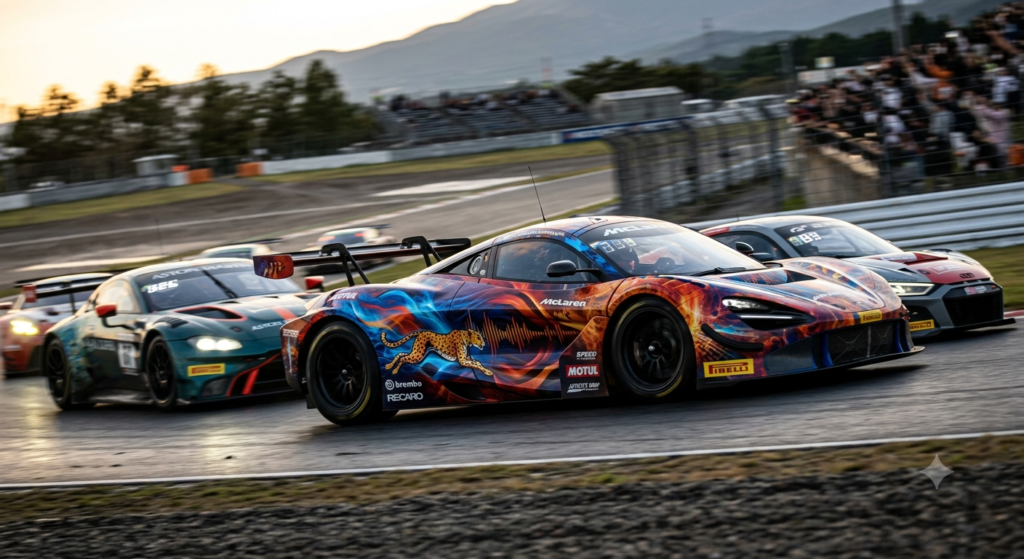
Most of the time, when we think of fine art, we picture a quiet, climate-controlled room where people whisper in front of oil paintings. But art doesn’t always like to sit still. Sometimes, it prefers to screech around a racetrack at 200 miles per hour, wrapped around a high-performance engine and covered in tire smoke.
Welcome to the vibrant, high-octane world of car livery art. What started out as a simple way for racing teams to display sponsor logos has quietly evolved into one of the coolest, most influential forms of modern commercial and public design.
The Birth of Iconic Racing Designs
In the early days of motorsport, cars were painted in solid national colors—British racing green, French blue, or Italian rosso corsa. But as corporate sponsorships blew up in the late 1960s, racing teams realized that their cars were essentially flying billboards.
Instead of just slapping random stickers on the doors, designers began creating cohesive, jaw-dropping visual identities. Think about the legendary Gulf Oil light blue and orange stripe, or the sharp, monochromatic geometric patterns of the Marlboro McLarens. These weren’t just ads; they were iconic racing designs that perfectly matched the sleek, aggressive lines of the cars. They became so deeply embedded in pop culture that even non-car fans can instantly recognize those color palettes today.
More Than Just Stickers: The Craft of Vehicle Graphics
Creating a stellar piece of car livery art is incredibly complex. A designer isn’t working on a flat canvas; they are working with complex, aerodynamic 3D curves, vents, and contours. A design that looks great on a flat computer screen can easily look distorted and weird once it is wrapped over a wide-body fender.
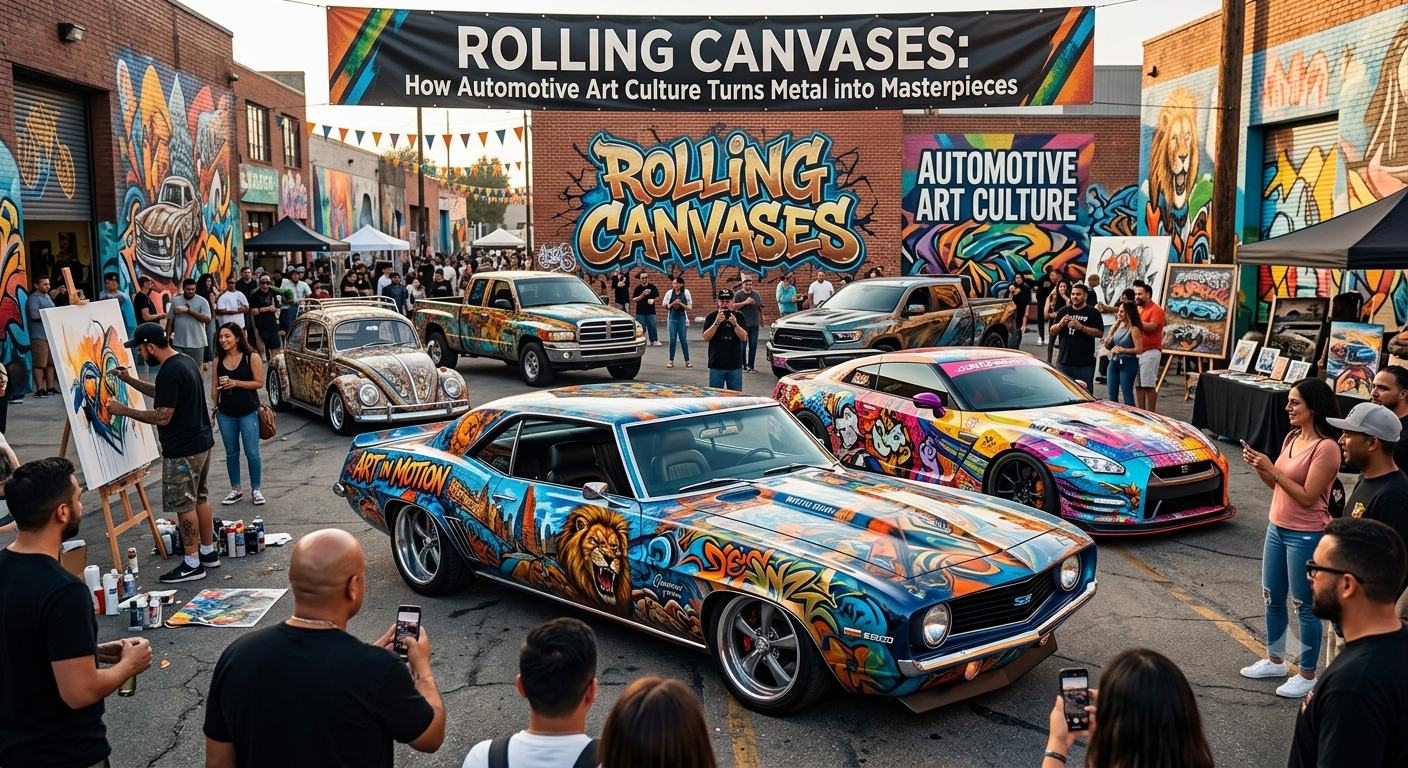
Today, the evolution of custom vehicle graphics has shifted from heavy automotive paint styles to high-tech vinyl wraps. This technological leap has given digital artists absolute freedom. They can now incorporate intricate graffiti patterns, hyper-detailed anime illustrations (popularly known as Itasha culture), or mind-bending holographic textures that shift colors depending on how the sunlight hits the chassis.
The Art Movement on the Streets
The best part about livery art is how it has spilled off the professional racetrack and onto everyday streets. Thanks to racing video games like Gran Turismo or Need for Speed, a whole generation grew up appreciating custom car styling.
Now, car enthusiasts worldwide treat their daily drivers, drift cars, and show vehicles as blank canvases. Whether it’s a vintage geometric retro wrap or a clean, minimalist race-inspired aesthetic, these designs allow owners to express their personality to the world every time they hit the road.
Ultimately, livery art proves that creativity thrives when it is pushed into unexpected places. It shatters the boundary between hardcore engineering and aesthetic beauty. So, the next time you see a wildly decorated sports car tearing up the asphalt, don’t just admire the speed—appreciate the masterpiece in motion!