Rolling Canvases: How Automotive Art Culture Turns Metal into Masterpieces
For most people, a car is just a practical machine to get from point A to point B. It’s an engine, four wheels, and a couple of seats wrapped in a generic coat of metallic paint. But for a growing community of creators, a vehicle is the ultimate blank canvas.
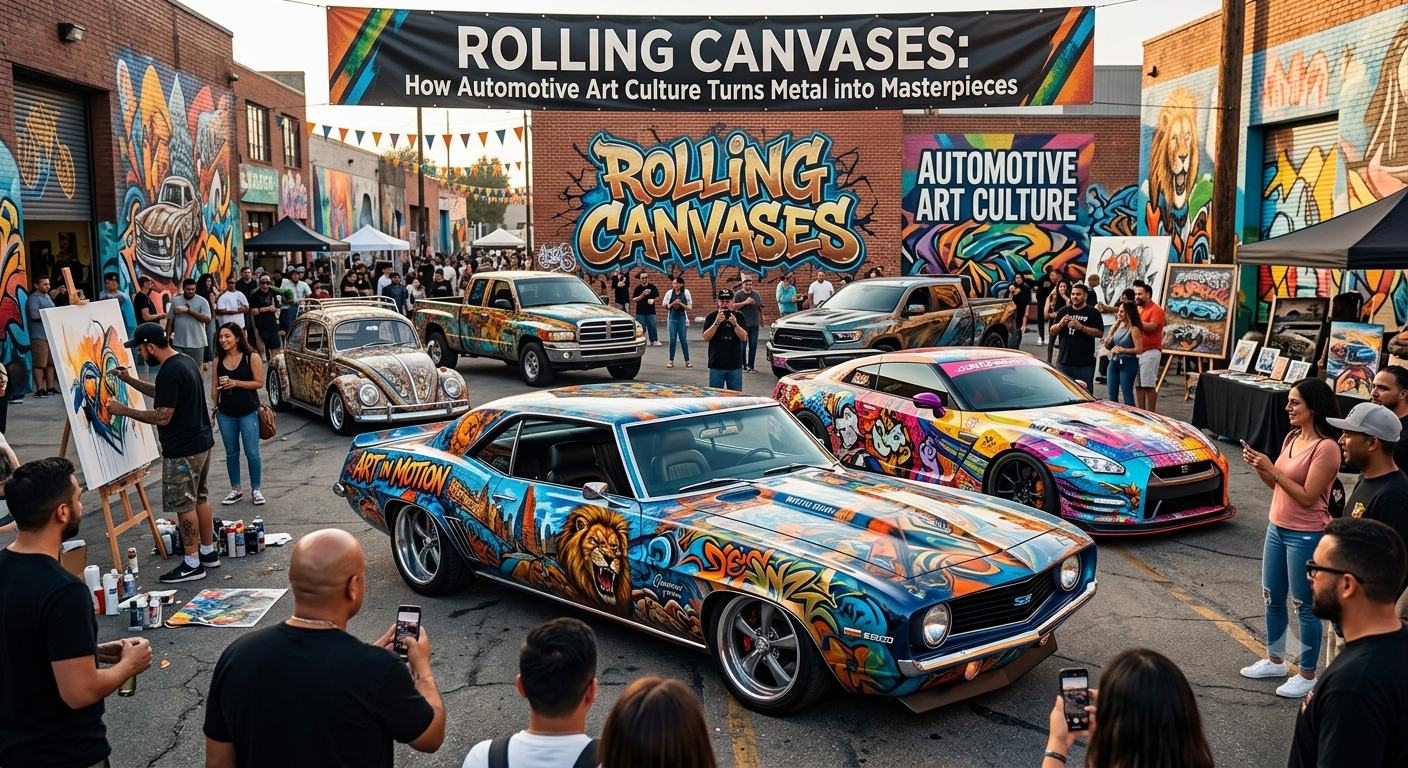
Welcome to the roaring world of automotive art culture, where horsepower meets high brushstrokes, and highways turn into open-air art galleries. From meticulously painted lowriders to radical, sculpted mutant vehicles, cars have officially claimed their spot in the fine art world.
The Rise of the Art Cars Movement
While people have been customizing their rides for decades, the official art cars movement really gained global traction when legendary artists started getting involved. Back in the 1970s, BMW started its famous Art Car Project, inviting iconics like Andy Warhol, Roy Lichtenstein, and Jeff Koons to use high-performance race cars as their personal canvases. Warhol famously painted his designated car in less than half an hour, leaving visible, textured brush strokes to mimic the sensation of pure speed.
Today, this movement isn’t just for elite artists and luxury brands. Go to any major counterculture festival like Burning Man, and you’ll see everyday creators transforming old school buses into fire-breathing dragons or turning rusted sedans into glowing neon spaceships. It’s all about shattering the rules of traditional galleries and bringing art directly to the streets.
The Pure Beauty of Car Design
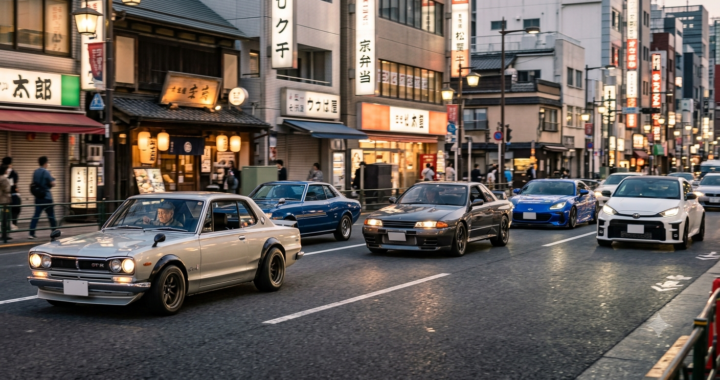
You don’t even need a wild custom paint job to appreciate cars as art. Sometimes, the beauty of car design lies straight in the factory blueprints. The sleek, aerodynamic curves of a vintage 1960s Ferrari or the aggressive, sharp lines of a modern hypercar are the results of intense artistic vision. Designers spend years sculpting clay models just to get the perfect silhouette that catches the light beautifully.
When you add custom car styling—like hand-pinstriping, intricate airbrush work, or custom-fabricated body modifications—the vehicle stops being a mass-produced product. It becomes a deeply personal statement of the owner’s identity.
At the end of the day, automotive art proves that creativity shouldn’t be confined to a frame hanging on a quiet wall. It’s meant to move, to make noise, and to leave a lasting impression as it speeds past. So, the next time you see a wildly decorated ride on the road, don’t just stare—appreciate the masterpiece on wheels!